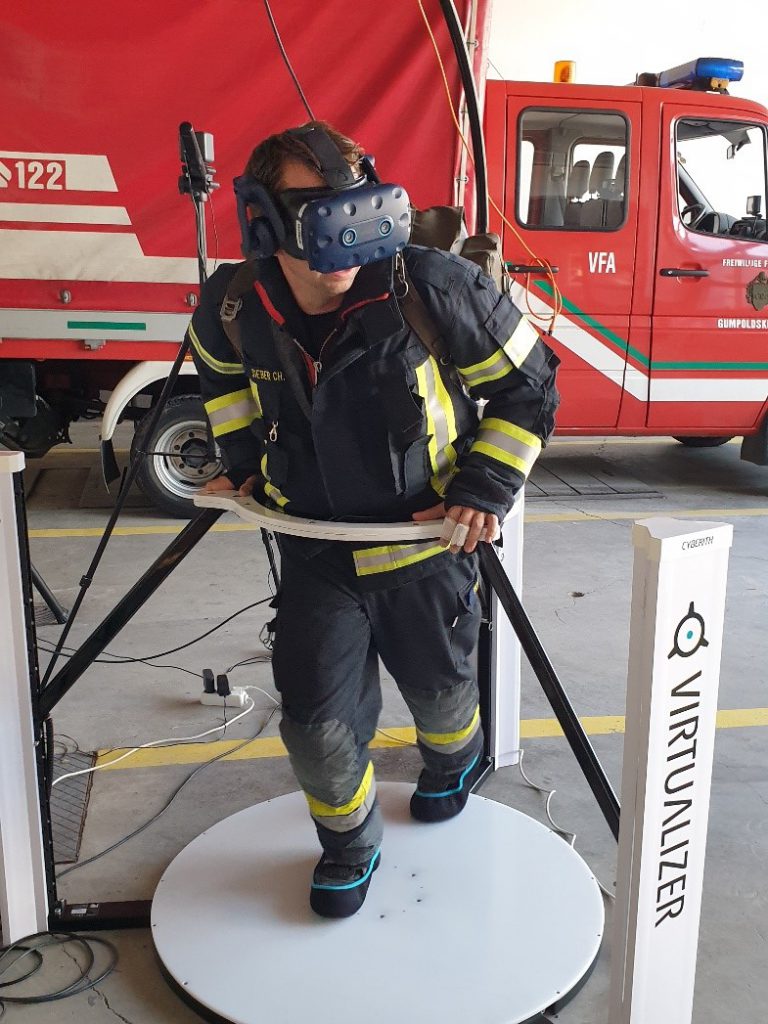
Virtual First Responder Training with Human Factors Analysis and Behaviour Modelling for Flexible Real-time Support
OBJECTIVE
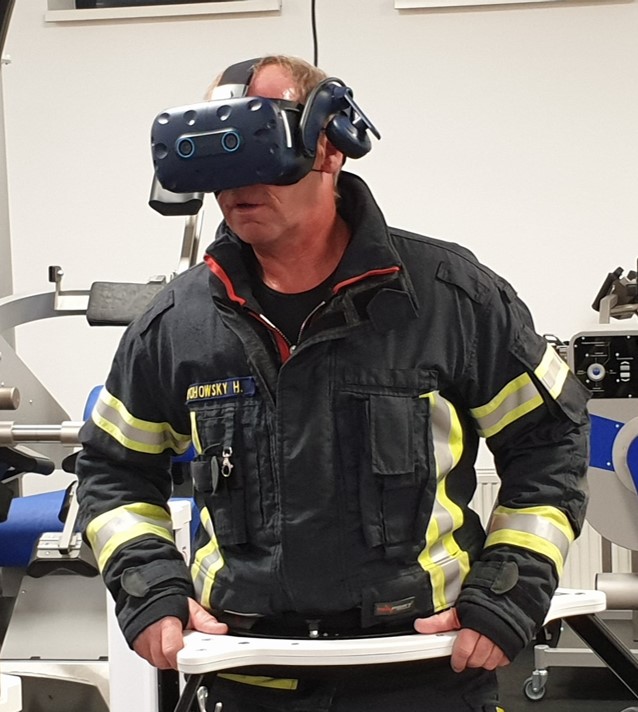
The overall objective of VR-Responder was to explore the technical and human science basis for assessing the suitability of new information technologies, for example Virtual Reality (VR) / Augmented Reality (AR) systems, in terms of effectiveness in real-life use and to realise a research demonstrator in the form of a "proof-of-concept".
PROJECT OVERVIEW
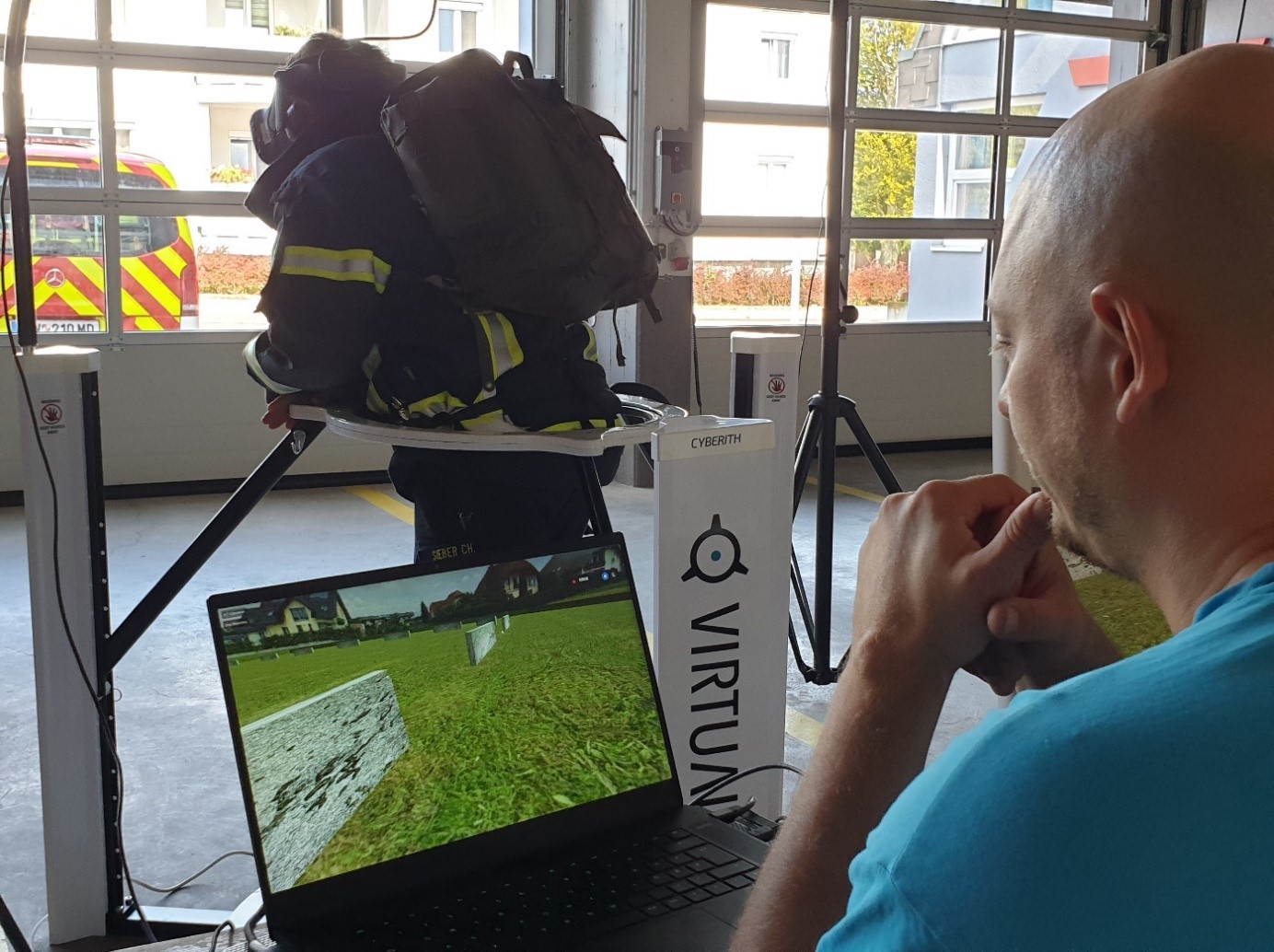
Up to now, training with first responder experts could only be undergone with a high expenditure of resources and therefore only allowed limited training frequencies and thus limited variability in the experience of critical and decision-relevant situations.
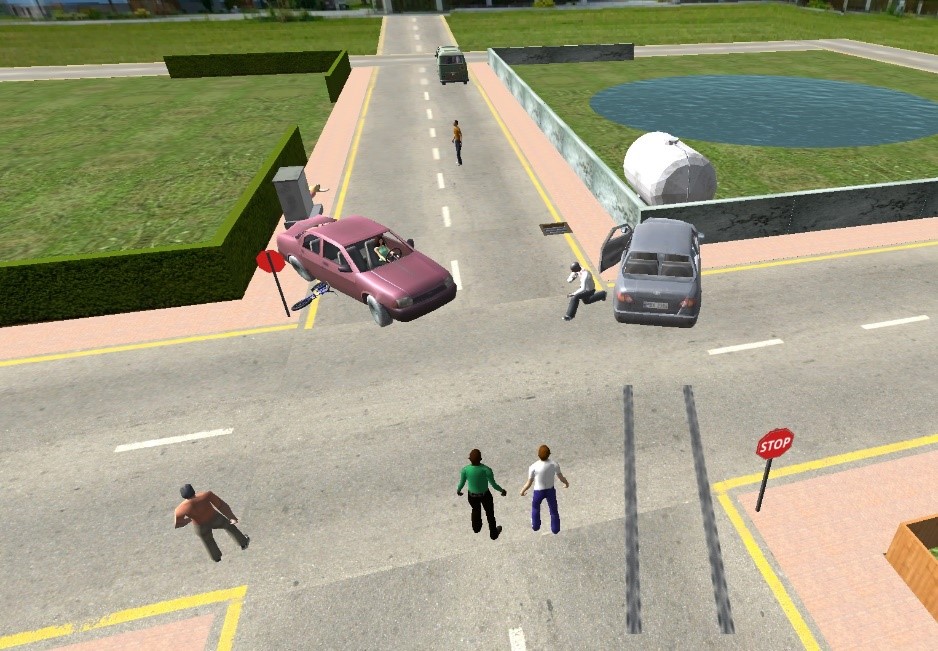
VR-Responder researched the basics for assessing the suitability of new information technologies, such as Virtual Reality (VR) / Augmented Reality (AR) systems, in terms of real-world effectiveness. For this purpose, at first relevant scenarios for testing and demonstration with high stress impact were identified and concrete requirements for training, practice and deployment were defined.
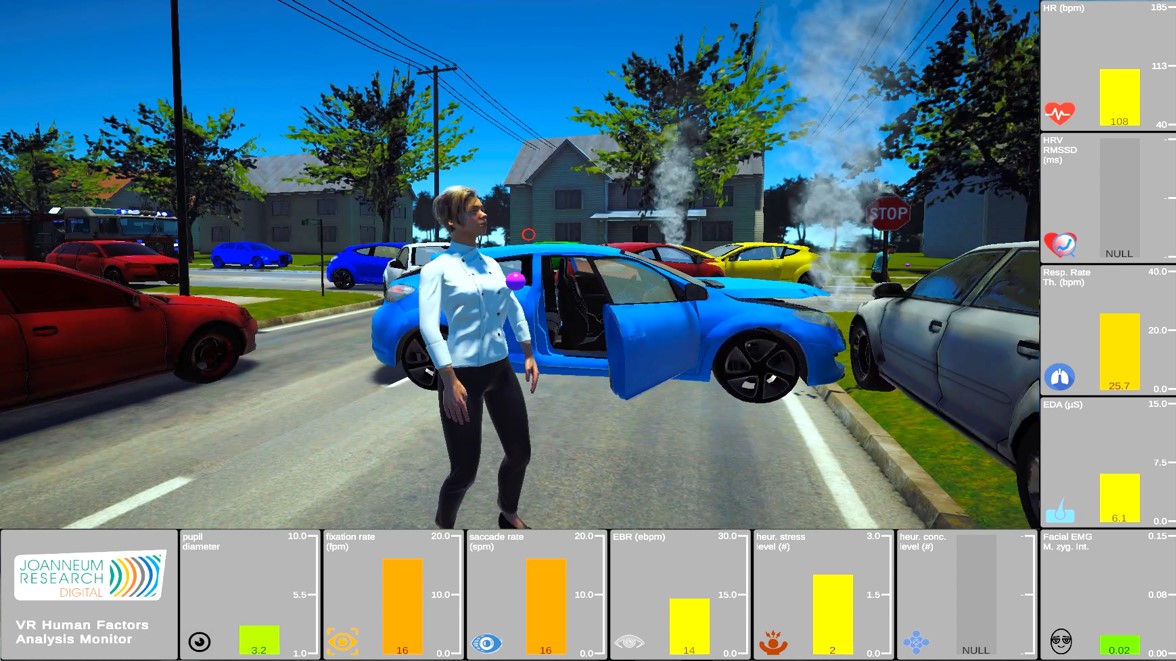
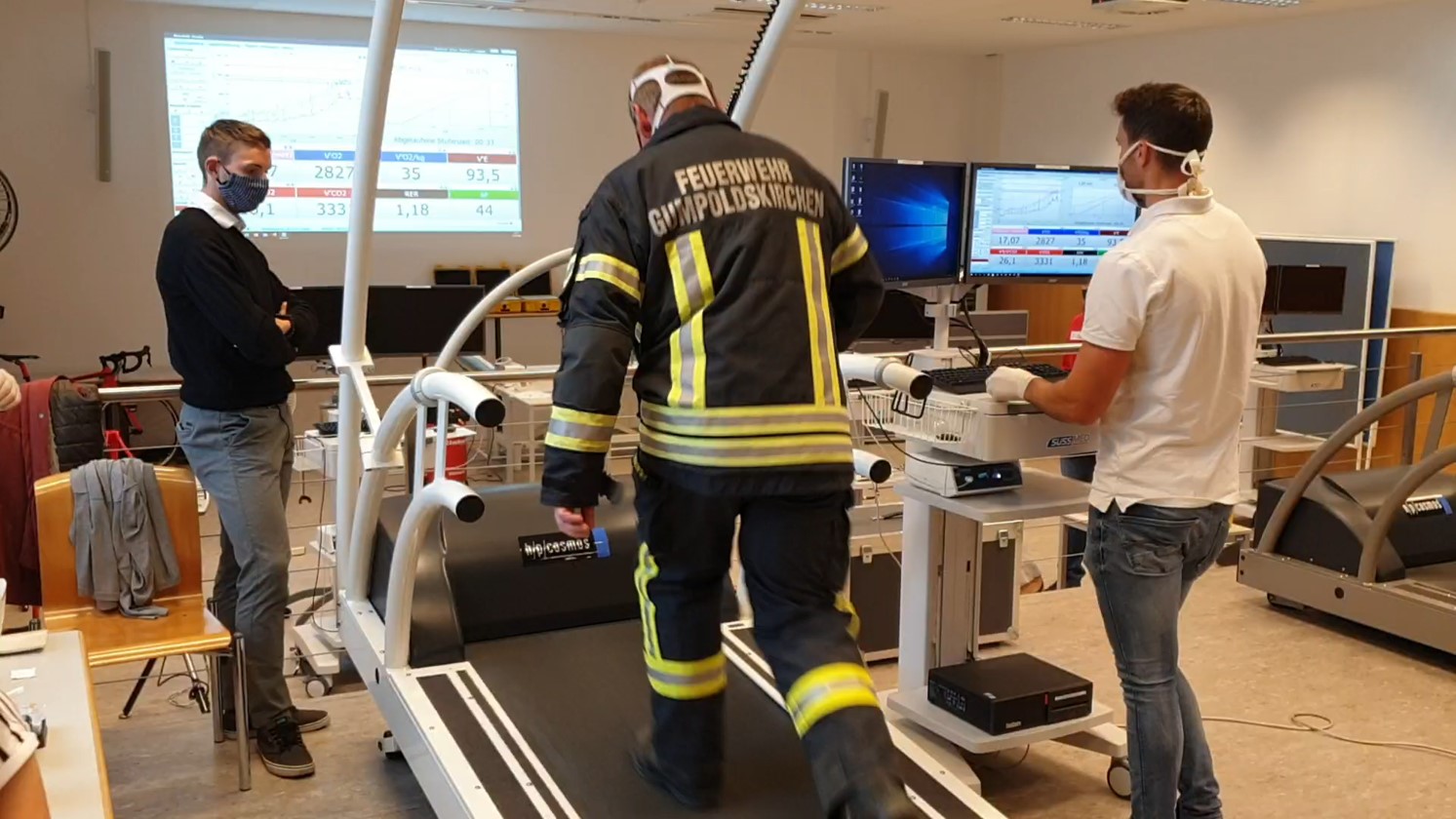
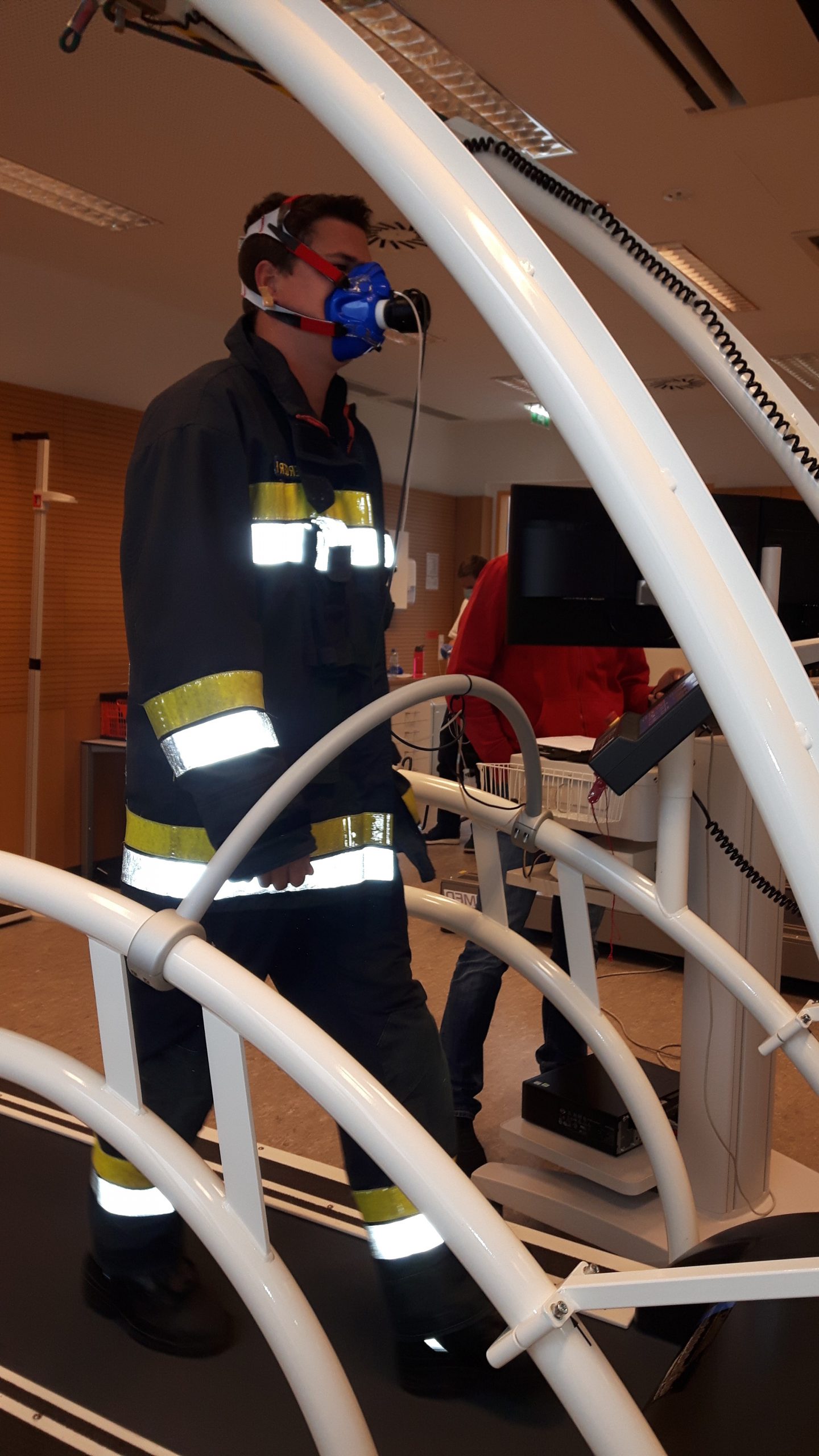
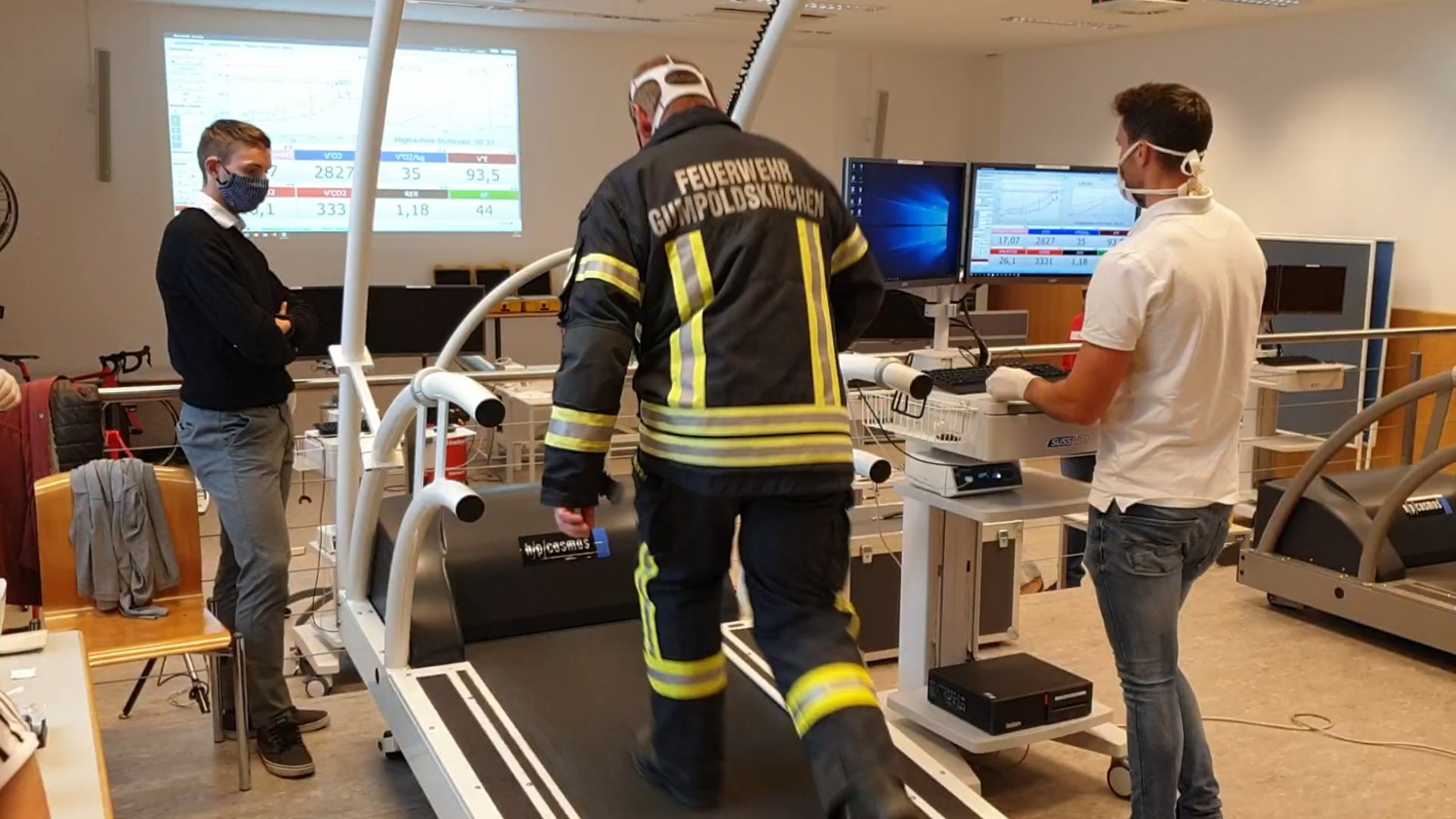
Critical psychophysiological and psychological stress parameters were scientifically determined and served as the basis for the development of a human factor analysis system for stress estimation. Using methods of artificial intelligence, models for decision behavior were developed that were derived directly from concrete sensor data.
EXPECTED RESULTS
The application scenarios in VR-Responder reflect decision-critical activities of members of voluntary as well as professional fire brigades, emergency rescue services, the police tactical unit of the Austrian Federal Ministry of the Interior (“Cobra”) and jointly coordinated missions. The ability to optimize training in relevant, representative decision-making situations is fundamental to the safety of the emergency services and the management in critical situations, be it firefighting scenarios in tunnels, counter-terrorism exercises, or security settings in subterranean environments.
The resulting research prototype can be further developed for future products that will be used in management tools for education and training scenarios for real-time situation assessment and analysis of first responder decision behaviors.
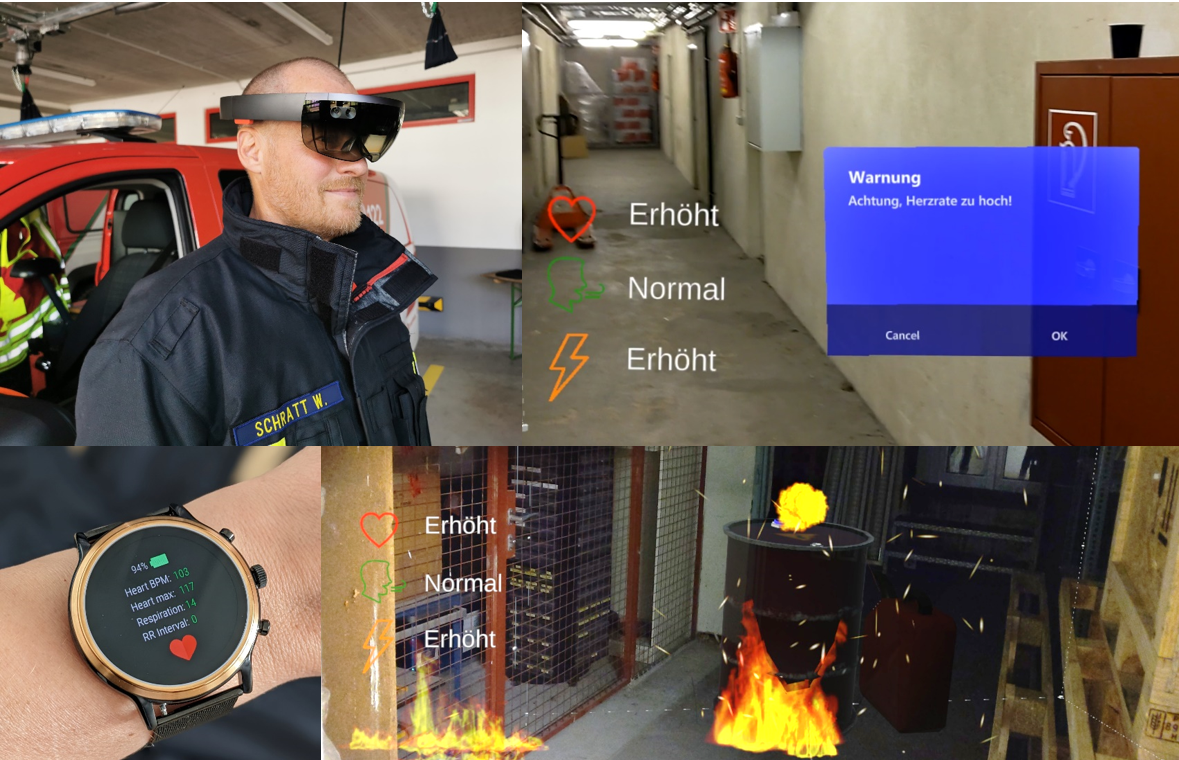
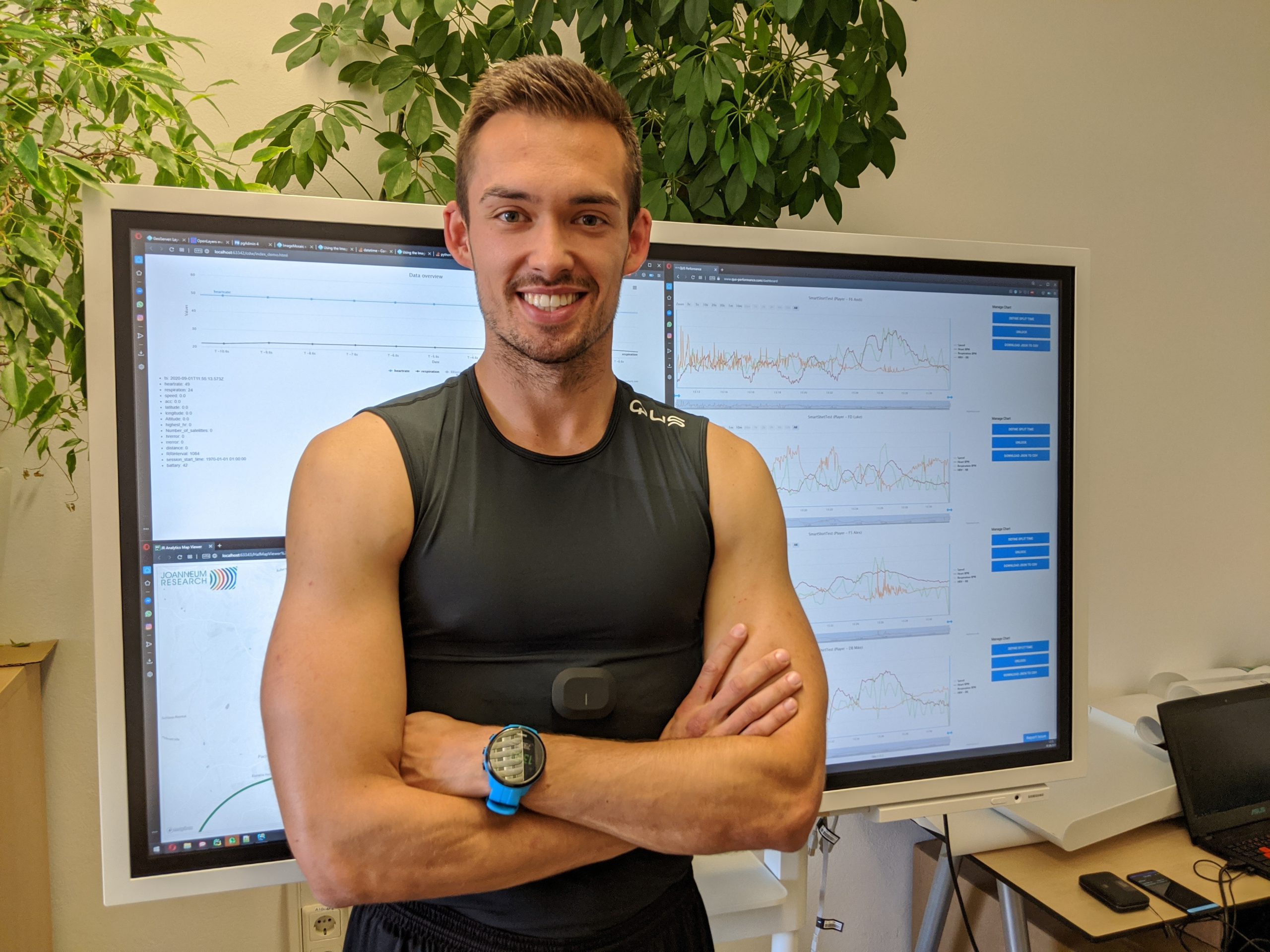
VR Human Factors Analysis System with Wearable Biosensors
This work was partly funded from project VR-Responder under grant No 873522 of the Austrian FFG KIRAS program, co-financed by the Austrian Federal Ministry for Climate Action, Environment, Energy, Mobility, Innovation and Technology (BMK).